
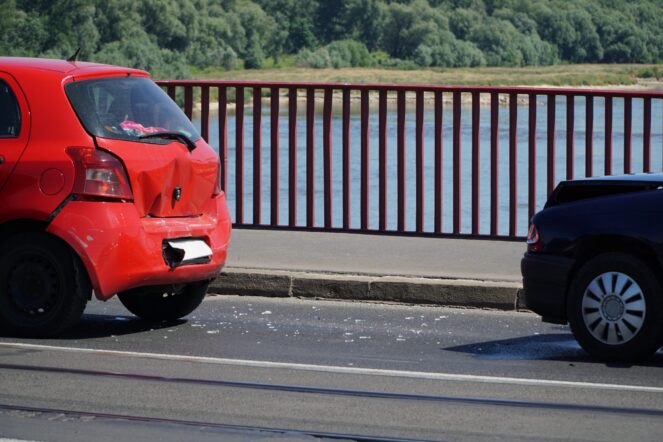
Driving on bridges in California can be more dangerous than on typical highways. Bridges often combine limited space, exposure to weather, and vertical hazards that increase the severity of accidents. Collisions on bridges can quickly escalate into life-threatening situations, including drowning, vehicle submersion, or multi-car pileups.
At Westlake Injury Law, our Thousand Oaks car accident lawyers help clients who have been injured in bridge accidents fight the legal and insurance battles. We provide guidance on identifying liability, protecting your rights, and pursuing compensation for catastrophic injuries or wrongful death.
Why Bridge Accidents Carry Higher Stakes
Bridge accidents pose unique risks that make even minor collisions potentially catastrophic. Because bridges are often narrower and elevated, any loss of control can lead to devastating outcomes that aren’t typical of regular roadway accidents.
The Lack of Shoulders
Unlike regular highways, many California bridges do not have wide shoulders or escape lanes. This design limitation leaves drivers with little room to maneuver during emergencies, breakdowns, or traffic disruptions. As a result, a stalled or damaged vehicle may remain in the flow of traffic, significantly increasing the risk of secondary collisions and multi-vehicle pileups.
Vertical Hazards
Bridges elevate vehicles above water, cliffs, or roadways, turning even small crashes into life-threatening events. A collision that pushes a car off a bridge can result in catastrophic injuries or fatalities due to the extreme height and lack of protective barriers in some areas. The vertical drop magnifies the impact forces, meaning that accidents that might otherwise cause moderate damage can become deadly.
Water Entrapment
Collisions on bridges over water bodies carry the added risk of drowning or water submersion. Even if occupants survive the initial crash, they may face disorientation, seatbelt jamming, or difficulty opening doors as water pressure builds. Without immediate rescue or specialized escape tools, occupants can become trapped in a rapidly sinking vehicle, drastically increasing the likelihood of fatal outcomes.
Dangerous Weather Conditions for Bridge Travel
Certain weather patterns make bridges particularly hazardous for drivers. Because bridges are exposed to open air on all sides, they can experience more severe weather conditions than nearby roads.
High Winds
Strong winds can destabilize vehicles, especially high-profile trucks, vans, and SUVs. Gusts may cause drivers to overcorrect their steering or veer into adjacent lanes, raising the risk of collisions. On long or elevated bridges, these winds can feel even more forceful, making it difficult to maintain control or judge safe distances from other vehicles.
Freezing "Micro-Climates"
Some bridges develop icy patches faster than surrounding roadways, especially in shaded or exposed sections. Because bridges cool from both above and below, the pavement temperature often drops more quickly than ground-level roads. This can cause sudden black ice formation, leaving drivers with little to no warning and making it easy to lose traction, spin out, or hydroplane.
Coastal Fog
Coastal bridges are often shrouded in thick fog that can reduce visibility to just a few feet. Drivers may not see brake lights or hazards ahead in time to react safely, turning minor slowdowns into multi-vehicle chain collisions. The combination of limited visibility, high speeds, and close traffic spacing makes fog one of the most dangerous weather conditions for bridge travel.
Identifying Liability: Is it Driver Error or Infrastructure Failure?
Determining fault in a bridge accident can involve multiple parties. Identifying the true, or even partial cause, of an accident requires an personal injury attorney experienced in these complicated collisions.
Driver Negligence
Driver error remains one of the most common causes of bridge accidents, often involving speeding, distracted driving, or impaired operation. Even slight misjudgments on narrow or elevated bridges can have severe consequences given the limited margin for error. Weather conditions, poor visibility, or driver fatigue can compound these risks, making it essential to assess whether negligence played a role in the crash.
Government Liability
In some cases, the condition of the bridge itself may contribute to an accident. Infrastructure issues such as deteriorating guardrails, worn or missing reflective markings, faulty lighting, or inadequate warning signage can make bridges unsafe for drivers. If negligence or failure to maintain safe conditions is proven, government entities or public agencies responsible for the bridge's upkeep may be held financially accountable for resulting injuries and damages.
Product Liability
Vehicle malfunctions like defective brakes, steering failures, or tire blowouts can also trigger serious bridge accidents. When a mechanical defect contributes to a collision, the vehicle manufacturer, designer, or parts supplier may bear legal responsibility. These cases often require a product liability attorney who can investigate the defect, work with industry experts, and pursue compensation for injuries, property loss, and other damages.
Steps to Take After A Car Accident on a Bridge
After a car accident on a bridge, taking prompt and organized action can protect your safety and strengthen your legal claim. Follow these steps carefully:
- Ensure your safety and the safety of others. Move to a safe location if the vehicle is in immediate danger, but do not leave the scene. Turn on hazard lights to warn other drivers and prevent secondary collisions. Assist any passengers or other accident victims if it is safe to do so.
- Call 911 to report injuries and request emergency response. Provide clear details about the accident location, number of vehicles involved, and any injuries. Stay on the line until the dispatcher confirms help is on the way. Follow any instructions given by emergency responders.
- Document the scene with photos or videos, if possible. Capture multiple angles of all vehicles, damage, skid marks, guardrails, and road conditions. Include environmental hazards such as fog, ice, or wet surfaces. Take pictures of traffic signs, barriers, and any visible injuries.
- Gather witness information and contact details. Ask witnesses for their names, phone numbers, and email addresses. Note what each witness saw, including the sequence of events or contributing hazards. This information can be critical if liability is disputed.
- Seek medical attention promptly, even for minor injuries. Some injuries, such as whiplash or internal trauma, may not be immediately apparent. A medical record created soon after the accident is vital for insurance and legal purposes. Follow all prescribed treatments and keep documentation of doctor visits, tests, and prescriptions.
- Contact Westlake Injury Law. Once safety and immediate medical needs are addressed, contact Westlake Injury Law for experienced legal guidance. Reaching out early allows the legal team to begin investigating the cause of the crash.
Taking these steps immediately after a bridge accident helps protect your health, preserves evidence, and ensures that your legal rights remain intact.
Wrongful Death & Catastrophic Injury
Bridge accidents often lead to devastating consequences, including catastrophic injuries or fatalities. Victims may suffer life-altering harm such as traumatic brain injuries, spinal cord damage, or severe burns that require extensive medical treatment and long-term care. In the most tragic cases, families are left grieving the loss of a loved one due to another party’s negligence or misconduct.
Under California law, the statute of limitations for personal injury claims is generally two years from the date of the accident. This means that victims must file their claims within that time frame to pursue compensation for medical expenses, lost income, and pain and suffering.
For families pursuing wrongful death claims, the law allows two years from the date of death to file a lawsuit. While no amount of money can replace a lost loved one, compensation can help cover funeral costs, lost financial support, and emotional suffering caused by a preventable tragedy. Speaking with an attorney as soon as possible can protect your right to recovery and provide the legal guidance needed during such an emotionally difficult time.
How Westlake Injury Law Can Help
At Westlake Injury Law, we have experience handling complex bridge accident cases, including:
- Multi-car pileup recovery
- Guardrail failure lawsuits
- Vehicle water submersion accidents
- Catastrophic injury and wrongful death claims
If you or a loved one has been involved in a car accident on a California bridge, our team is ready to help. Contact us today at (805) 338-6880 to schedule your free consultation and let our Thousand Oaks personal injury lawyers protect your rights and guide you through this challenging time.